


Overview
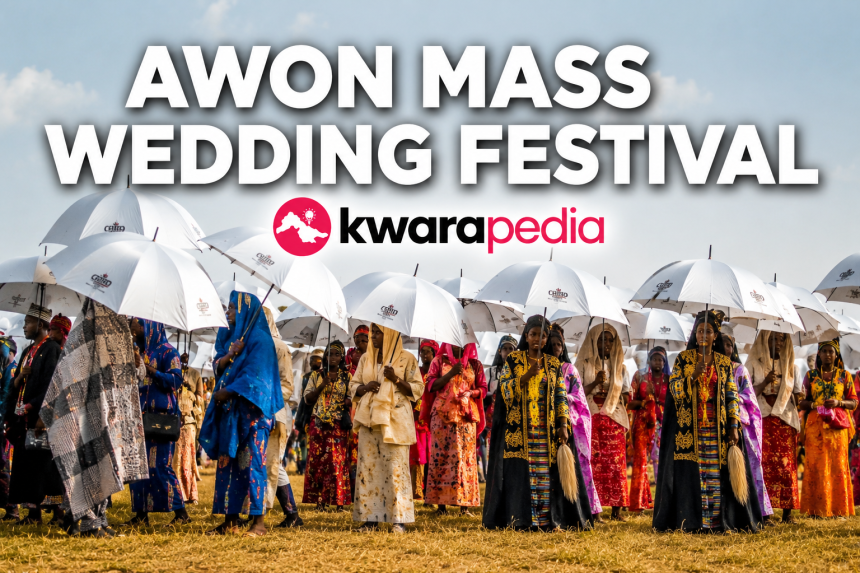
The Awon Mass Wedding Festival (also known as Awon or Shao Awon-Ga) is one of Nigeria’s most distinctive cultural celebrations. Held annually in Shao, a historic town in Moro Local Government Area of Kwara State, it features dozens of maidens of marriageable age marrying on the same day in a grand communal ceremony that symbolizes unity, prosperity, fertility, and the preservation of Shao’s cultural heritage.
Rooted in ancient Yoruba mythology and reverence for the deity Orisha Awon, the festival blends spiritual beliefs, cultural heritage, fertility rites, and community bonding.
The event combines traditional marriage rites with colourful cultural displays, music, dancing, royal ceremonies, and community celebrations, making it both a social and cultural occasion.
Origin & History
According to Shao oral tradition, the Awon Mass Wedding Festival originated from a mystical encounter between a hunter named Omo Larele and a supernatural being known as Awon, the guardian spirit of a stream near the community.
The legend recounts that during one of his hunting expeditions, Omo Larele stopped at a familiar stream to drink water. There he encountered a mysterious woman with a single breast seated by the water. The woman identified herself as Awon and instructed the hunter to escort her to Oba Olanibo, the first Ohoro of Shao.
Awon was received by the king and his chiefs, remaining in Shao for eighteen days. During her stay, she is believed to have established a spiritual covenant with the community, offering guidance and blessings before announcing her departure.
Before leaving, Awon promised to watch over the people of Shao, granting them peace, prosperity, and fertility. In return, she requested that the community dedicate one day each year to commemorate her visit by conducting a collective marriage ceremony for all eligible brides. The people accepted the covenant, and the annual celebration became known as the Awon Mass Wedding Festival. At her departure point (now “Awon Yale” or Ojubo Awon), water gushed forth, forming the Awon River. Wooden images of Awon and her sisters were carved to immortalize her, kept by the Ile Alawon family.
For the people of Shao, this account is more than a traditional legend. It represents the spiritual foundation of the festival and the community’s enduring cultural identity. Awon is revered as a symbol of fertility and womanhood, and it is traditionally believed that women married during the festival receive her blessing for a fruitful and successful marriage.
When It Is Celebrated
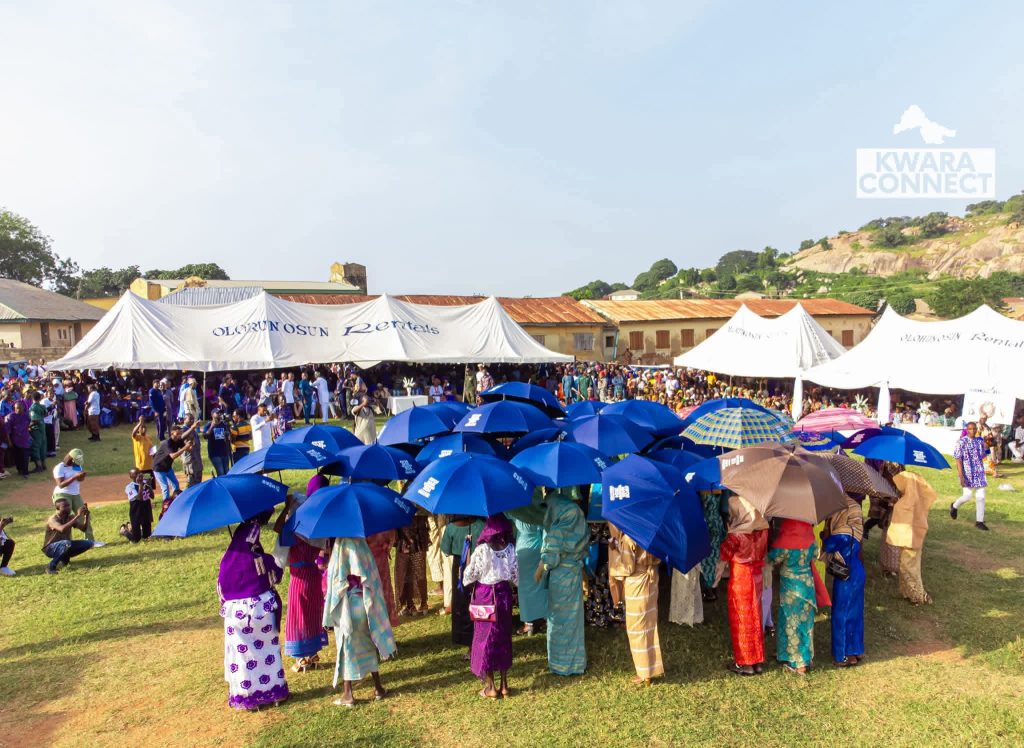
The Awon Mass Wedding Festival is celebrated annually in October, with festivities spanning several days. The event also serves as a homecoming for Shao indigenes, many of whom return from different parts of Nigeria and abroad to participate in the celebrations.
Major Activities
Mass Traditional Wedding
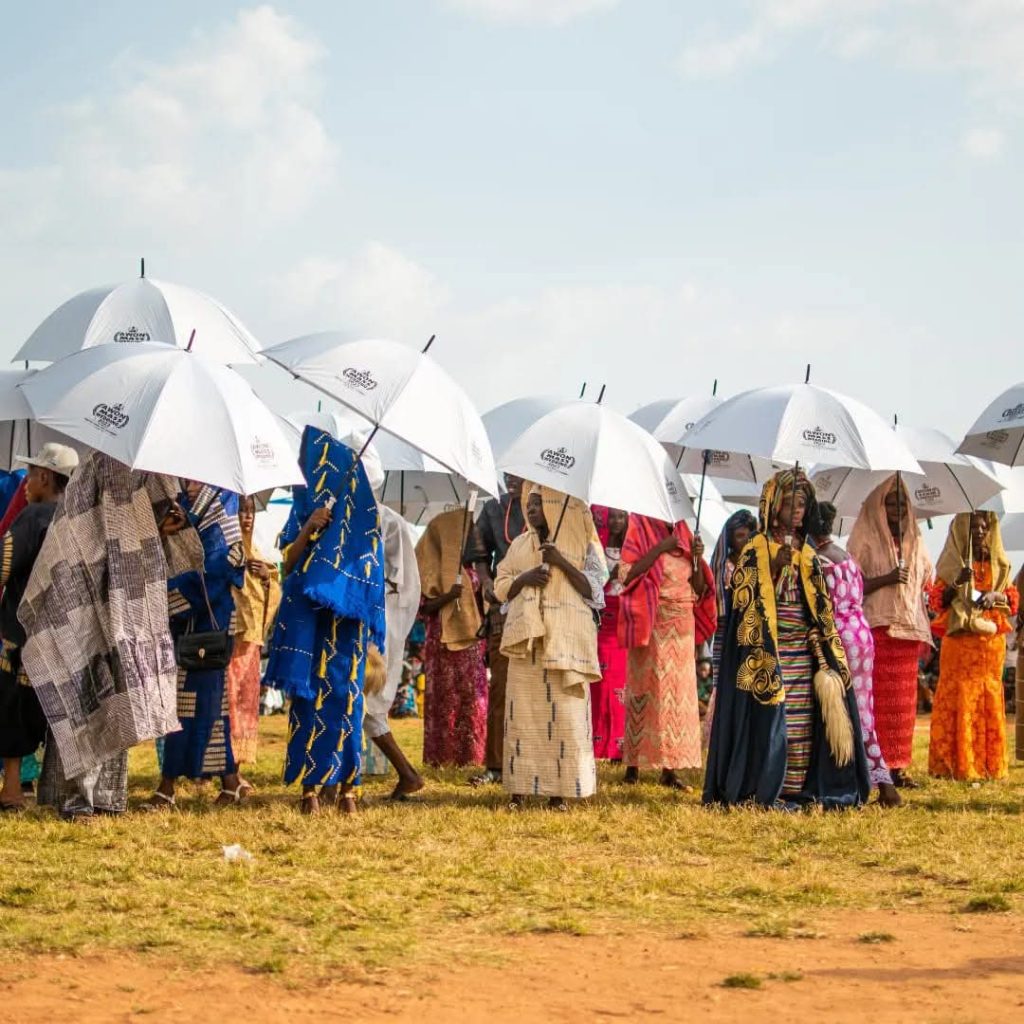
The highlight of the festival is the simultaneous marriage of eligible brides to their chosen grooms. The brides are dressed in colourful Aṣọ Òkè, beads, and traditional jewellery, while the grooms appear in traditional Yoruba attire. The collective wedding reflects communal support for marriage and family life.
Royal Procession
The traditional ruler of Shao and palace chiefs lead ceremonial processions, receiving visitors and blessing the newly married