Overview
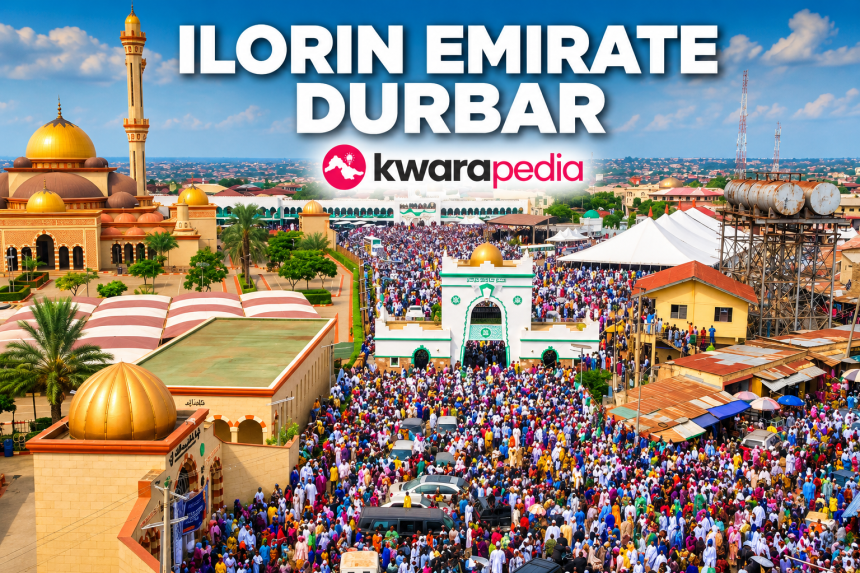
The Ilorin Emirate Durbar is one of the most iconic cultural festivals in Kwara State and among the most significant durbar celebrations in Nigeria. Celebrated annually in Ilorin, the festival combines royal pageantry, Islamic tradition, military heritage, and the unique multi-ethnic harmony of the Ilorin Emirate. Held during the Eid al-Adha (Eid-el-Kabir) festivities, the Durbar attracts thousands of residents, tourists, cultural enthusiasts, and dignitaries from across Nigeria and beyond. Today, it serves as a symbol of unity, history, and the enduring legacy of the Ilorin Emirate.
Unlike the purely Hausa-Fulani Durbar traditions of Kano, Katsina, and Sokoto, Ilorin’s celebration is a remarkable fusion of Yoruba, Fulani, Nupe, Hausa, Baruba, and Kanuri heritage—a living testament to over two centuries of harmonious coexistence forged through conflict, scholarship, and shared destiny.
The Durbar is far more than a parade of horses and regalia. It is the Emirate’s annual reaffirmation of identity, a spiritual homecoming timed to the Islamic calendar, and a vibrant display of loyalty that connects the people to their traditional ruler, the Emir of Ilorin.
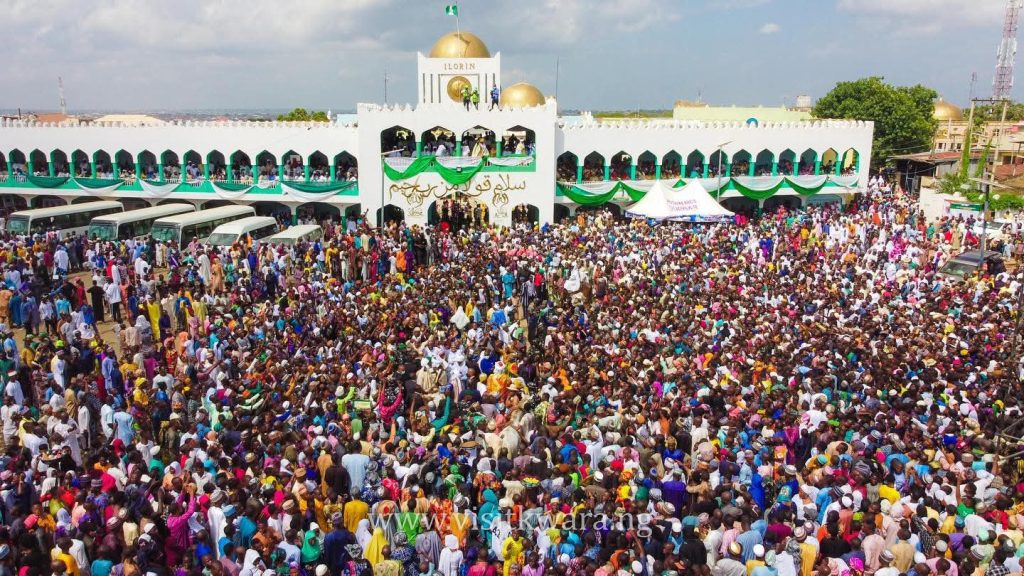
Historical Roots: Born from Battle, Forged in Unity
The Ilorin Durbar carries a martial origin story that distinguishes it from other Nigerian celebrations. Its root trace back to the 1830s, shortly after Ilorin became part of the Sokoto Caliphate under the influence of the revered Islamic scholar Sheikh Salih Ibn Janta, known as Shehu Alimi, Ilorin Emirate faced a coordinated attack from the mighty Oyo Empire and Baruba warriors.
These battles, including notable defense locations like Ita Kudimo and Ita Ogunbo, occurred even during Eid prayers, symbolizing resilience, faith, and unity in the face of adversity. The successful defense of Ilorin during this critical moment transformed what could have been a tragedy into a permanent celebration of victory and divine protection.
This historical context is essential to understanding the Durbar’s character. While other Durbars evolved primarily as displays of royal power and Islamic piety, Ilorin’s festival was literally born on the battlefield. The ceremonies commemorate not just faith, but survival—the resilience of a multi-ethnic community that refused to be conquered.
What began as a martial parade showcasing the Emir’s cavalry, loyalty of subjects, and military strength evolved over time. Colonial influences shaped aspects of the ceremony, but its core remained rooted in local traditions. After a period of dormancy, the Emir of Ilorin, His Royal Highness Alhaji (Dr.) Ibrahim Sulu-Gambari CFR (the 11th Emir, who ascended the throne in 1995), revived the festival in 2018. Since then, it has grown into a major cultural event that highlights Ilorin’s unique identity as the southernmost emirate in Nigeria.
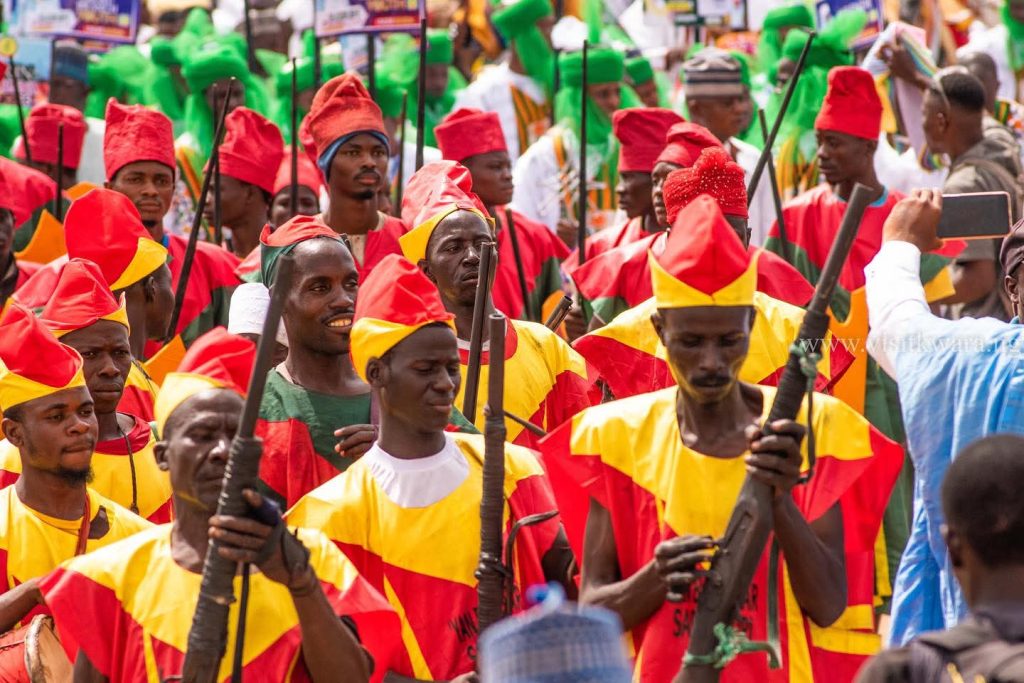
When It Is Celebrated
The Ilorin Emirate Durbar is traditionally held during the Eid al-Adha (Eid-el-Kabir) celebrations, usually on the third day after the Sallah prayers. The exact date varies annually according to the Islamic lunar calendar. The festival has become one of the highlights of the Sallah season in Kwara State.
The festival traditionally begins from the Palace of the Emir of Ilorin, with processions passing through parts of the ancient city. In recent years, major ceremonial activities have also been hosted at the Kwara Baseball Park, Adewole, Ilorin, providing a larger venue for spectators and cultural exhibitions.