


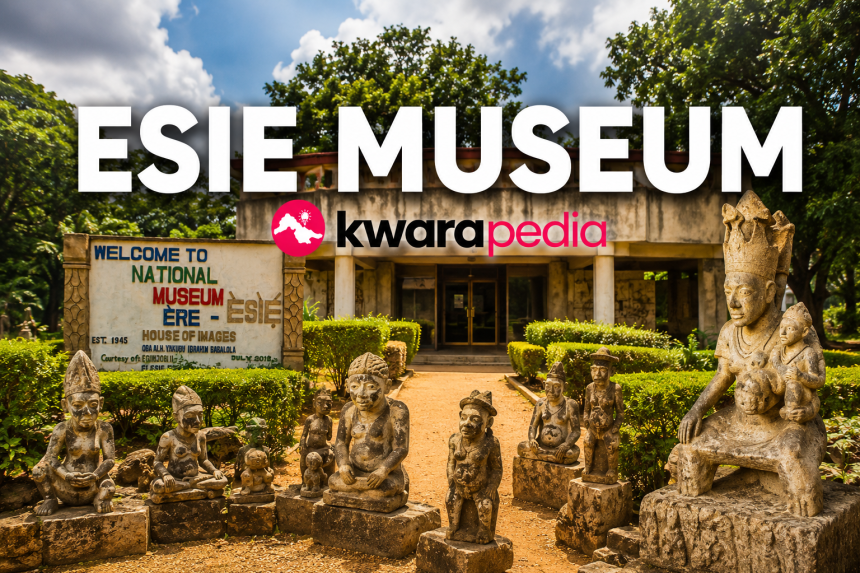
Nigeria’s First Museum and the Enigma of the Ancient Stone Images
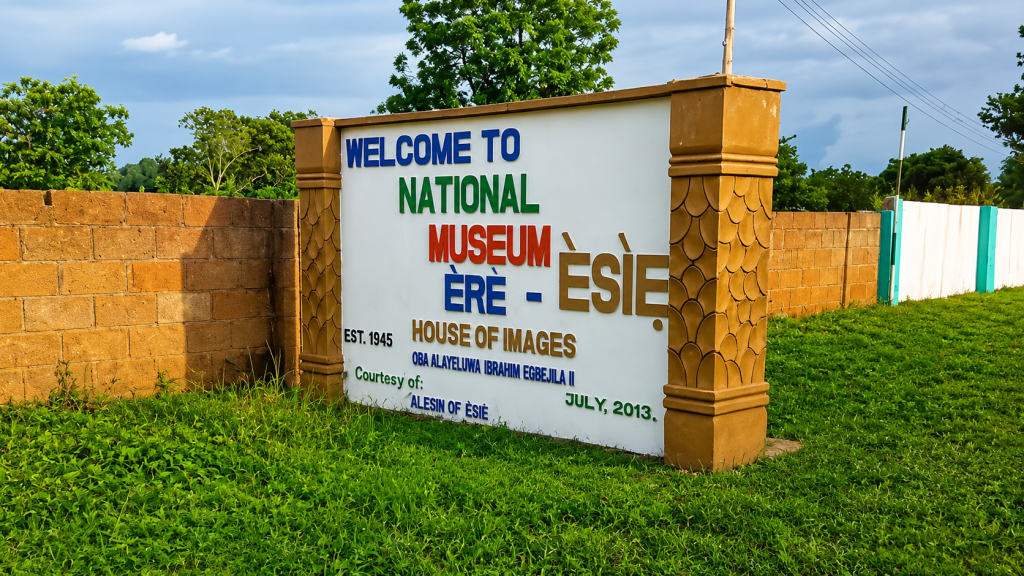
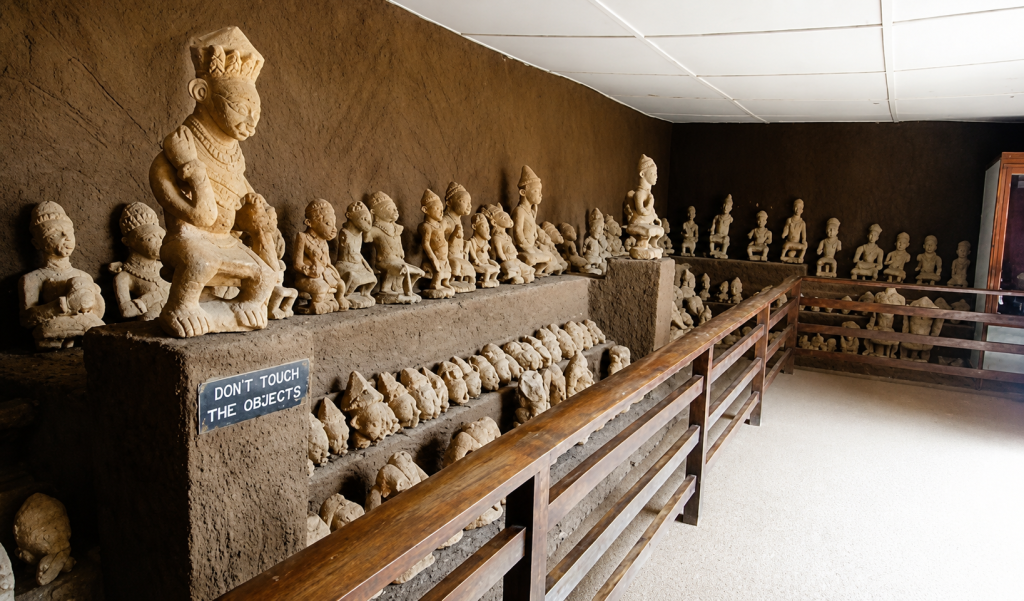
The Esie Museum ranks among Nigeria’s most significant cultural and archaeological landmarks and holds the distinction of being the country’s first museum. Located in the ancient town of Esie in Irepodun Local Government Area of Kwara State, the museum has gained international recognition for housing the world’s largest collection of ancient soapstone sculptures. Established in 1945, it preserves more than 800 carved stone figures depicting men, women, children, rulers, hunters, musicians, and other human forms, making it one of Africa’s most remarkable archaeological repositories.
Beyond its collections, Esie Museum stands as a symbol of Nigeria’s commitment to preserving its cultural heritage. It attracts archaeologists, historians, anthropologists, researchers, students, and tourists from around the world who seek to understand the enduring mystery surrounding the famous Esie Soapstone Figures.
These stone images, known in Yoruba as Ere Esie, represent one of the greatest archaeological enigmas in sub-Saharan Africa: a vast gallery of prehistoric art whose creators, purpose, and meaning remain unknown.
The Discovery: From Sacred Grove to Global Attention
Discovery and Oral Tradition
According to Esie oral tradition, Baragbon, a hunter and community leader, discovered the soapstone figures around 1775. The Esie people had sent him to find a more suitable settlement after migrating from the Old Oyo Empire. Their earlier settlement at Oko Odo reportedly suffered from water shortages during the dry season.
Local tradition recounts that Baragbon encountered hundreds of stone figures arranged as if they were attending a gathering, with a larger, king-like figure at the centre. Alarmed by the discovery, he returned to inform the community. The Elesie (King of Esie) reportedly visited the site but fled after seeing the mysterious statues. According to tradition, this event gave rise to a longstanding taboo that forbids the reigning Elesie from visiting the stone figures, a tradition that the community continues to observe.
The community subsequently consulted an oracle, which, according to tradition, declared that the figures had once been human beings whom divine punishment turned into stone for disobedience. This belief remains an important part of Esie’s cultural heritage, and local traditions and festivals continue to commemorate it.
While this account forms the foundation of Esie’s oral history, archaeological research offers a different interpretation. Scholars identify the figures as carefully carved soapstone (steatite) sculptures, rather than petrified humans. Based on stylistic and archaeological studies, researchers generally believe that their creators carved the figures several centuries before the Esie people reportedly discovered them, possibly between the 12th and 15th centuries. However, the identity of their creators remains one of Nigeria’s most enduring archaeological mysteries.
Rediscovery and Archaeological Recognition
Although the Esie soapstone figures had long been revered by the local community, they remained largely unknown outside the area until 1933, when H. G. Ramshaw, a Church Missionary Society (CMS) school inspector and missionary, visited Esie and documented the remarkable collection. His report drew the attention of British colonial authorities, archaeologists, and researchers, marking the beginning of formal archaeological interest in the site.
Ramshaw’s account transformed the stone figures from a sacred local heritage into an archaeological site of national and international significance. His documentation prompted efforts to study, preserve, and protect the sculptures from theft, weathering, and other forms of deterioration.
Although German ethnographer Leo Frobenius encountered a few soapstone heads in nearby Offa during his 1912 expedition, it was Ramshaw’s 1933 documentation that brought the Esie collection to international attention and laid the foundation for its preservation.